Turn an idea or a complicated workflow into an experience people can understand. We connect user journeys, interface design and prototypes before the build gets too far ahead.
Good interface design starts with what someone needs to do. We work through the journey, hierarchy and important states so the visual design supports a clear purpose.
Make navigation and key actions easier to understand.
Test the important journeys before full development.
Keep the experience consistent across roles and screen sizes.
The person
Their goal
The product
A clearer journey
Find the right place
Understand the choice
Take the next step
Experiences shaped around the journey.
Explore two contrasting examples: expressive product storytelling and a platform organised around different user roles.
Product storytellingInteractive design
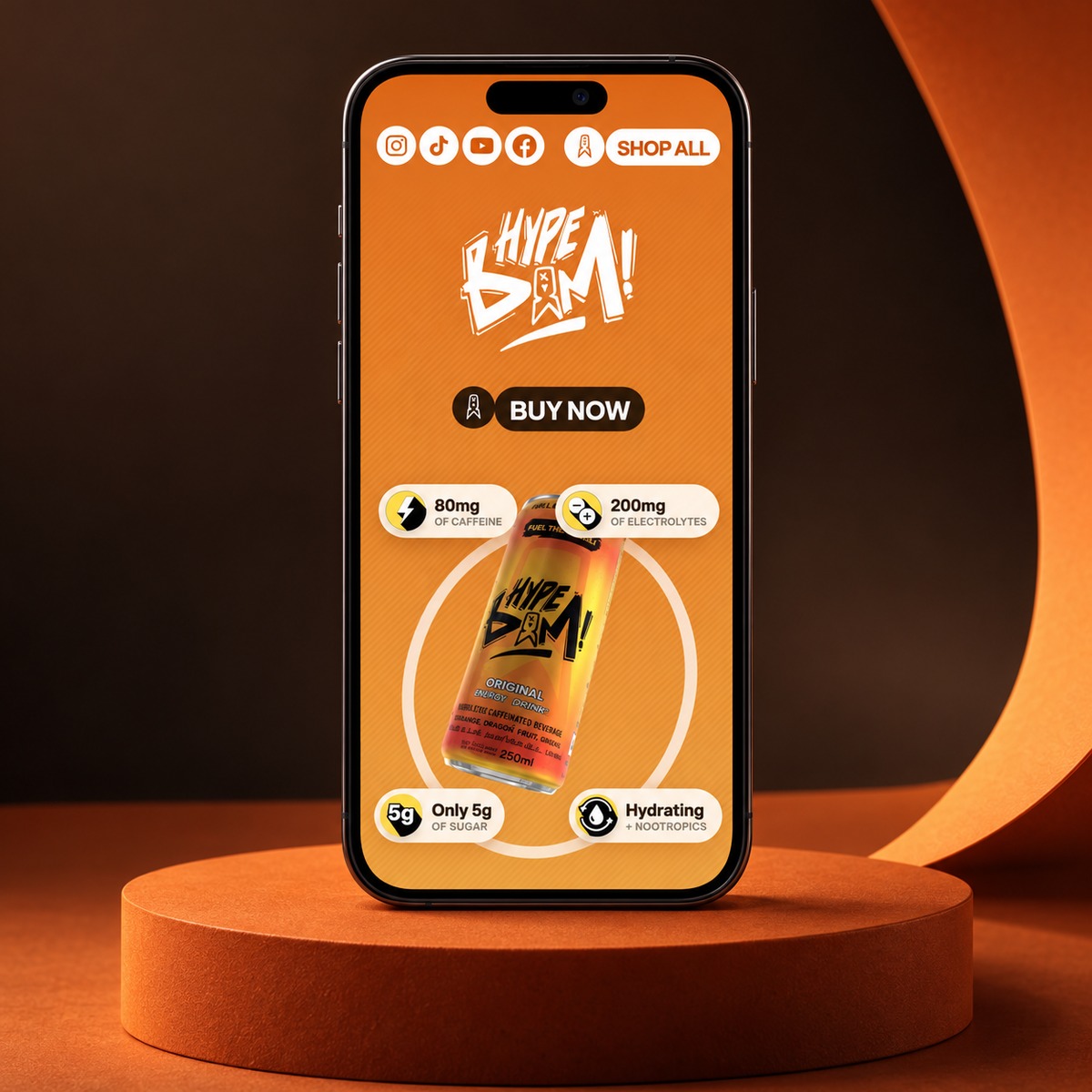
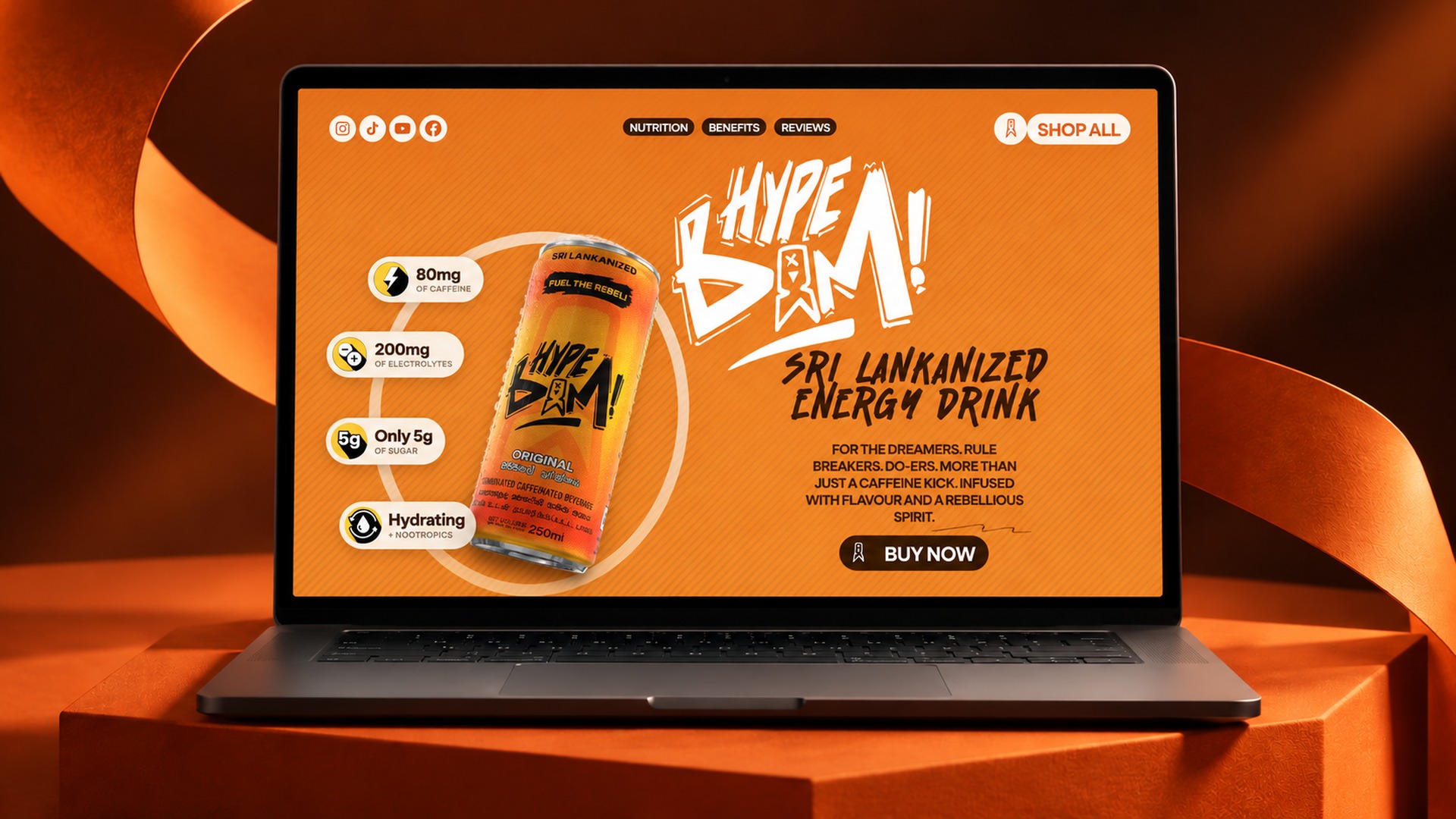
Hype Bam
Hype Bam combines custom 3D product visuals, planned user flows and GSAP animation to connect product discovery, information and purchase enquiries.
A choreographed journey through product and flavour discovery
We review the audience, product goals, existing experience and available feedback. The work starts with what someone needs to accomplish.
You review: users, goals and design priorities.
02
Agree the design scope.
We define the journeys, screens, states and deliverables to cover. Research, testing, design-system work and development support are agreed rather than assumed.
You approve: the design brief and scope.
03
Map journeys and information.
We organise the navigation, content and steps needed to complete the main tasks. Different roles and important exception paths are considered together.
You approve: flows and information structure.
04
Review wireframes.
Low-detail layouts let us resolve hierarchy, screen content and key actions before the visual styling becomes the focus.
You approve: the screen structure.
05
Design the visual interface.
We bring the brand, typography, imagery and components into the approved structure. Responsive layouts and key interaction states are included in the agreed scope.
You approve: the visual direction and UI.
06
Try the clickable prototype.
We connect the screens so the main journeys can be reviewed in context. Feedback and any agreed user testing help identify what needs refining.
You review: the prototype and refinements.
07
Hand over a buildable design.
We organise the approved screens, components, assets and behaviour notes for development. Any build-stage design reviews are agreed with the delivery team.
You receive: the design files and handover guidance.
More than finished screens. A design people can build from.
A useful handover explains how the experience behaves, not only how one view looks.
Design coverage
We agree screens, roles, responsive layouts and key states.
Brand and content
We identify the assets and copy needed for realistic decisions.
Components
Shared patterns and design-system requirements are scoped.
Development handover
We agree files, assets, behaviour notes and review support.
Before we start.
Can you improve an existing product?
Yes. We can review the current journey, identify confusing steps and agree a focused redesign or improvement scope.
Do we need a complete brand before starting?
We review what exists first. Any additional brand or content work needed for the interface is discussed and scoped with you.
Will you build the design as well?
GroundUp also provides development services. Design and implementation can be planned together or handed to your delivery team, depending on the agreement.
Do you include user testing?
We agree the testing approach, participants and scope during planning. Prototype reviews and structured user testing are distinct activities, and we make that distinction clear.
Which part of the experience needs to work better?
Share the idea, the current product or the journey you want to improve. We’ll help define the design work it needs.